
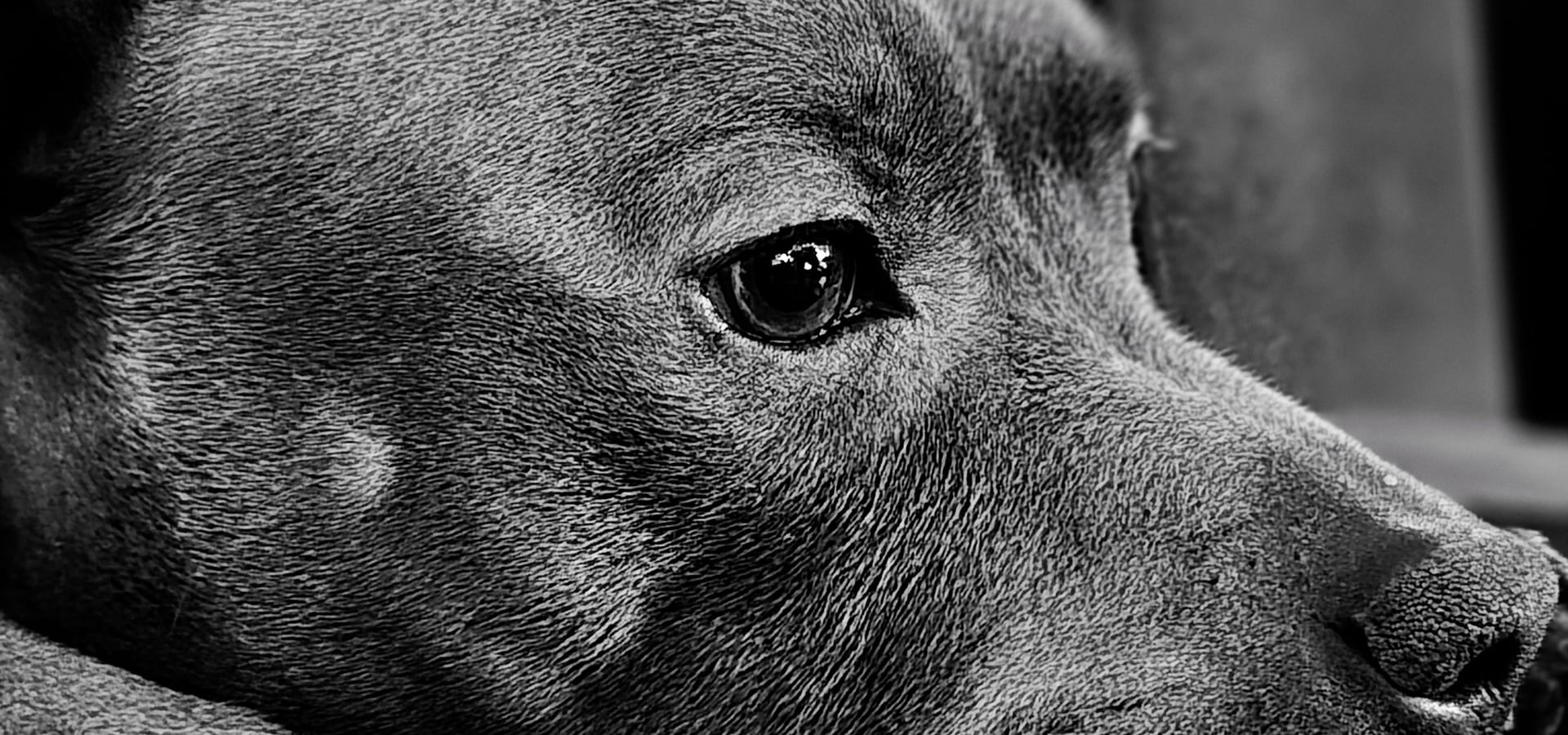
A much-wanted boy
Hendrix was much wanted and highly researched. We checked everything — from DNA results to the temperament of his parents. We had regular puppy check-ins and did everything right.
When Hendrix came home he had access to everything: the best vet care, food, puppy classes, parkour for pups. He was trained as an assistance dog for my son and I, as we are both autistic.
People used to comment on Hendrix's obedience and training from a very young age. At around 10 months old, we were walking through a country path in Oxfordshire when a deer came out of the hedge. Hendrix was a few feet ahead of me. When he saw the deer, he stopped and looked at me. I called him to me and he came on the first call. I put his lead on, and the deer walked off.
Hendrix accompanied my son at both his BSc and MSc graduation ceremonies.
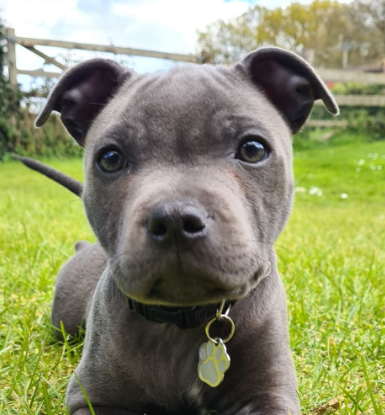
When things began to change
At 18 months old, Hendrix started showing signs of anxiety and fear when out walking. He would lunge at other dogs. We started working with a behaviourist to build his confidence, including scentwork classes for sensitive dogs. This worked for a while but eventually he became terrified of these classes and always wanted to be returned to the car.
During this time we also muzzle trained him, which he was fine with except for the last moment of fastening, at which point he'd become reactive. We worked with the vet and he went on to fluoxetine, which didn't seem to do anything. When we tried to sedate him using the Chill Protocol for vet visits, the sedation would never take and it would make him worse.
As the years progressed, his hypervigilance became increasingly worse, as did his anxiety and fear. Even through all of this, he never lost who he was at his heart — a loving, snuggly boy who adored visitors to his house.
The final months
By the time he was just over five years old, we started working with a vet behaviourist because nothing else was working. We saw the same pattern — he'd engage initially, but after one or two months he'd become afraid and not want to engage. By June 2026, he was no longer leaving the house.
On 1st September 2026, he started struggling with his back legs. It was an effort to stand. It was clearly a struggle to go to the toilet outside. He no longer went upstairs. Rather than walk to me for a cuddle, he'd shuffle across on his bum using his front legs. All he wanted to do was snuggle up beside me. He no longer wanted to play — although 'walk' and 'harness' still got a positive response. When I took his harness down and held it out for him to put on, he would walk back into the living room and lay down.
It became clear that his quality of life had rapidly diminished. I took the incredibly hard decision to take the pain and fear away from him.
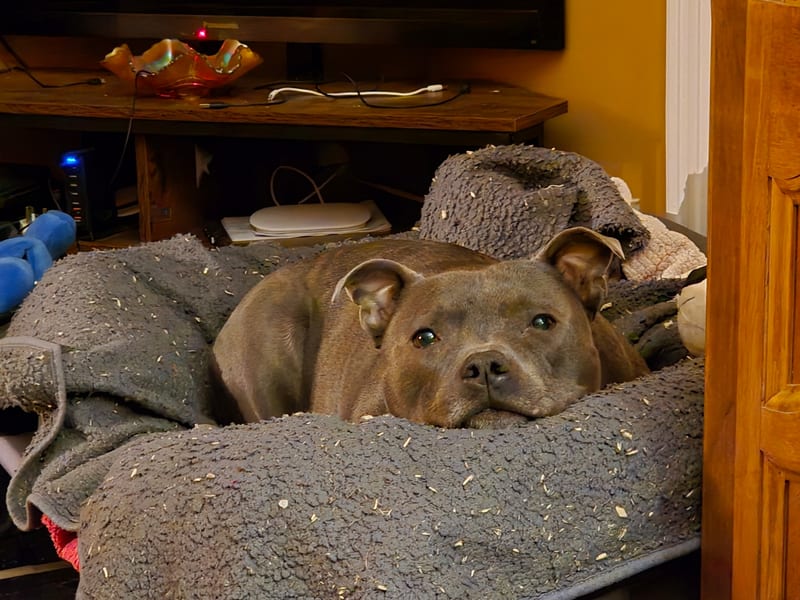
His final days
On 9th September 2026, our vet came to the house. The sedative was mixed into his food — and as I had warned, Hendrix did not take it due to his hypervigilance.
We ended up using another vet who was familiar with Staffies. They read his notes and listened to our concerns. On 11th September, I was given 15ml of sedative with instructions to give him 8ml, and if it hadn't taken effect within an hour, to give the remaining 7ml. Hendrix was dosed with the full 15ml. It had no effect on him.
When the nurse and animal handler arrived at our house, Hendrix greeted them at the front door with Staffy smiles and a waggy tail. We managed to get him safely positioned to allow a muscle-injected sedative, and while it was enough to get his head down, he kept his backend standing and his tail kept wagging. We muzzled him, he growled but didn't move, so we could lay his backend down. After a further 20 minutes he was sedated enough to allow the euthanasia.
Both vet professionals confirmed that he had been given enough sedative to take down a 160kg dog. Hendrix was 25kg. Every professional we have asked has said that failing to sedate on this scale points to a neurological condition. At the time, with his mother recorded as clear of L-2-HGA, they considered NCL4A the most likely explanation. Specialists have since pointed out that other conditions, including ones not yet identified, can look similar. Hendrix was never diagnosed, and no sample was kept, so what he had may never be known.
Who he truly was
98% of the time, Hendrix was a loving, cuddly, obedient, friendly, happy dog. That 2% — the times his eyes glazed over and he reacted without warning — he would come round as though nothing had happened and come for cuddles, love, and kisses.
My Hendrix remained true to his core to the very end.
His legacy
Hendrix's story is not unique. There are Staffies across the UK living and struggling. Their owners searching for answers, their behaviourists puzzled, their vets prescribing medication that cannot touch an undiagnosed neurological condition. This campaign exists so that no breeder, owner, or dog has to go through what we went through. Not every behaviour case is just behaviour. Hendrix's legacy is making sure every Staffy has the chance to be properly looked into.