


Breeders
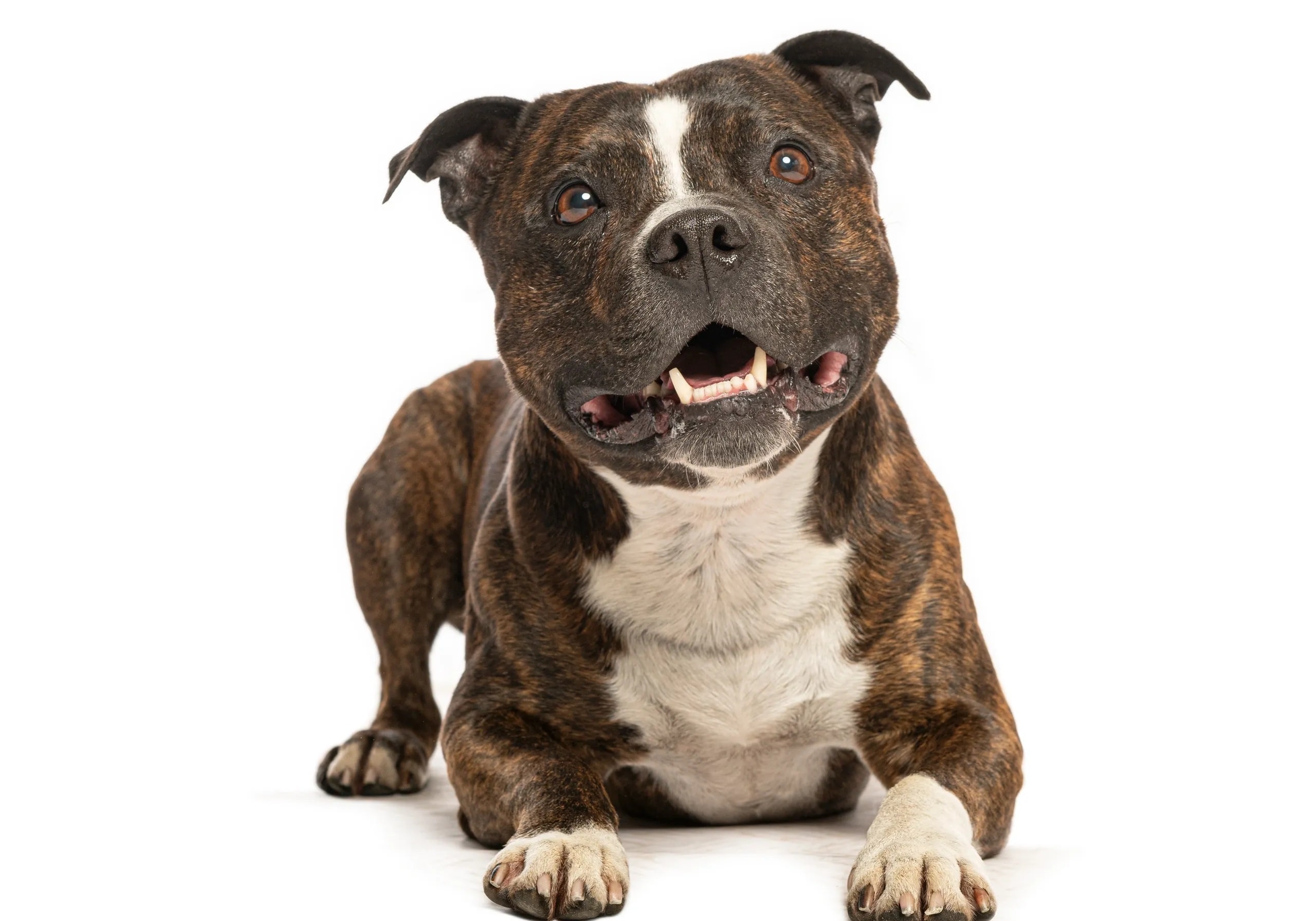
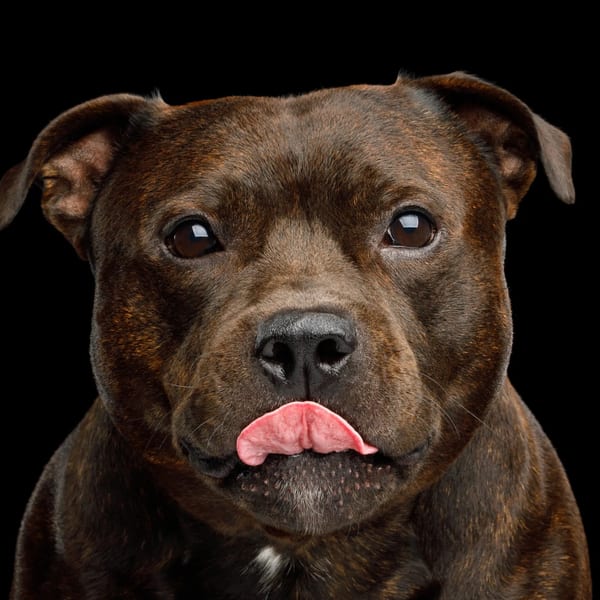
We provide clear guidance on DNA testing protocols so breeders can make informed decisions and ensure no affected puppy enters the world.

Staffies are routinely tested for HC-HSF4-2 and L-2-HGA. But a neurological condition can look exactly like a behaviour problem, and if something is affecting Staffies, it will only be found if cases are noticed and reported.
What we know
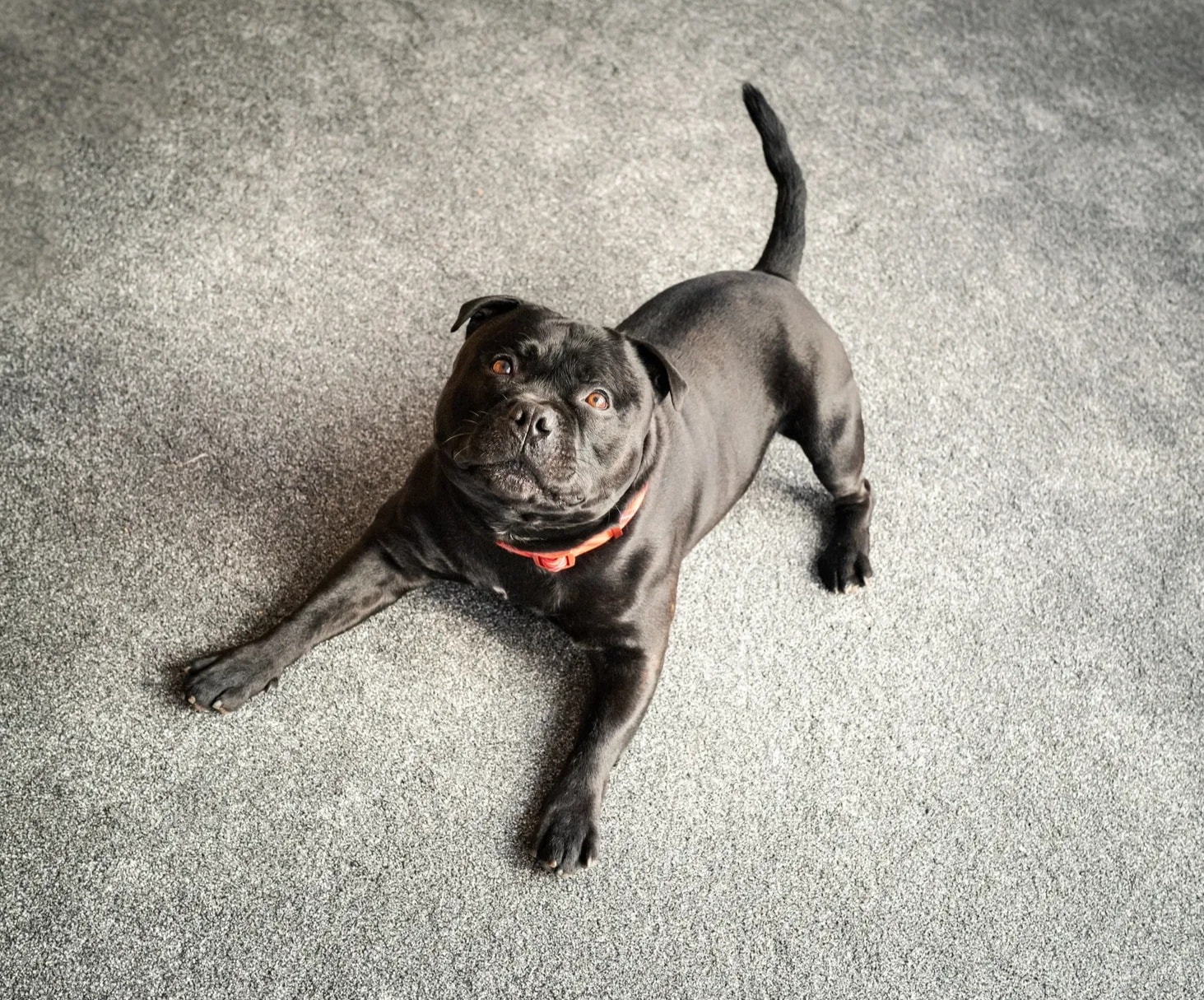
Hendrix died in September 2026 from what we believe was a neurological condition. It was never diagnosed and has not been identified. It may be inherited, and it may turn out to be a form of NCL (neuronal ceroid lipofuscinosis), a group of inherited brain diseases, but nobody yet knows.
What we do know is that a problem in the brain can look exactly like a behaviour problem, and that if something is affecting other Staffies, it will only be found if cases like his are noticed and reported.
Hendrix's Legacy is a not-for-profit campaign to make sure that when a Staffordshire Bull Terrier shows unexplained neurological signs, a physical cause is considered before the dog is written off as a behaviour problem, and the case is looked into.
"A problem in the brain can look exactly like a behaviour problem."
Hendrix's story
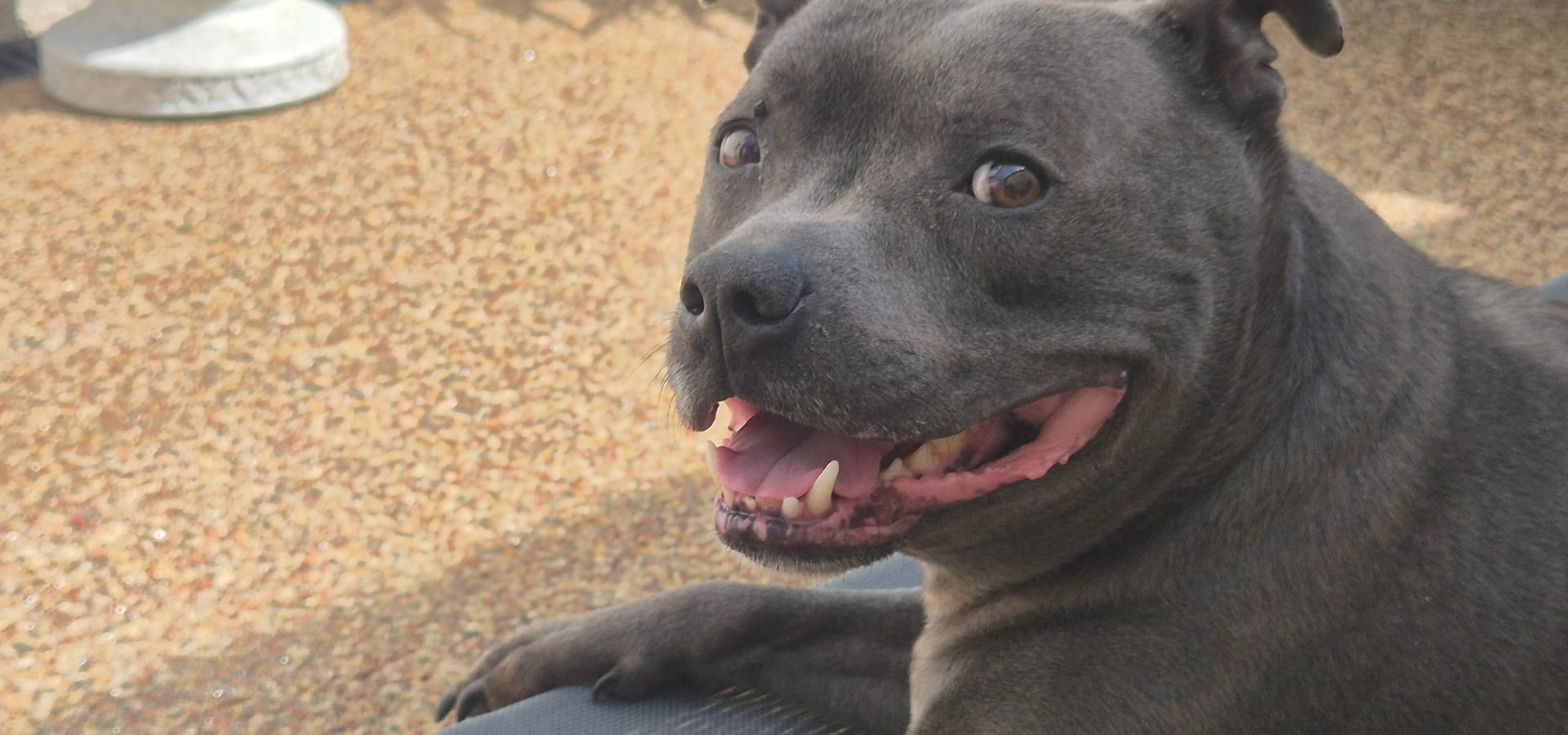
In his final years his fear grew, sedation stopped working, and in his last days his back legs began to fail. He was never diagnosed. His story is why this campaign exists.
From the campaign
Who we're helping
We provide clear guidance on DNA testing protocols so breeders can make informed decisions and ensure no affected puppy enters the world.

If you have a Staffy, we help you understand the risks, what to look for, and how to get your dog tested — giving you peace of mind.

We work with veterinary professionals to raise clinical awareness of neurological symptoms, progression, and the importance of early investigation.

Rescue organisations need to screen incoming Staffies and advise adopters. We give them the tools and knowledge to do that confidently.
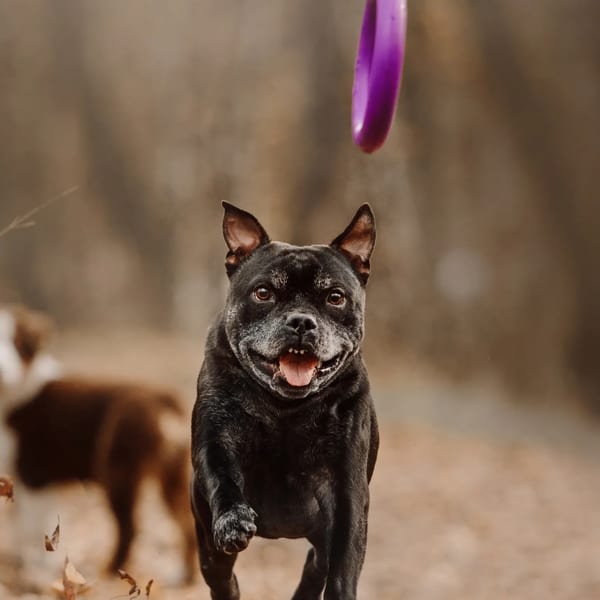
Neurological conditions can present as behavioural problems. We help behaviourists recognise the signs and refer appropriately.
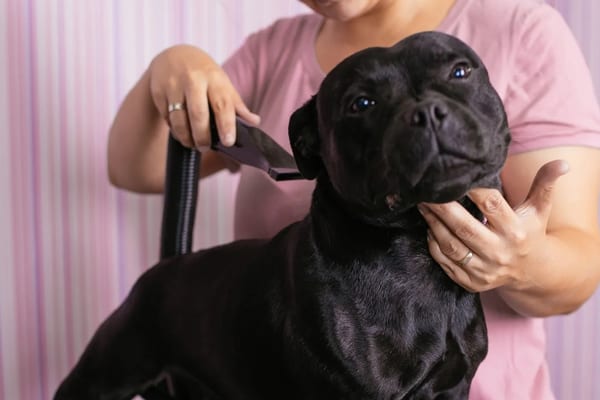
Groomers often spend more time handling dogs than anyone else. We help groomers recognise early physical and behavioural signs and know when to flag concerns to owners.

Rehabilitation and complementary practitioners play a vital role in supporting affected dogs. We provide guidance on safe, informed care.
Our campaign
Encouraging owners, vets, rescues and behaviourists to consider a neurological cause when fear and reactivity keep getting worse.
We produce free resources for breeders, owners, vets, rescues, behaviourists, groomers, and complementary practitioners — so everyone in the Staffy community knows what to look for.
We connect owners, professionals, and advocates who care about the future of the breed — building a network that can drive real change.
Support the campaign
Every donation helps us reach more breeders, owners, vets and rescues — and make sure more cases are noticed and reported.
Donate via ZeffyZeffy is free to use — 100% of your donation reaches us.